
How Can Freight Logistics Improve Business Efficiency and Logistics and Supply Chain Performance?
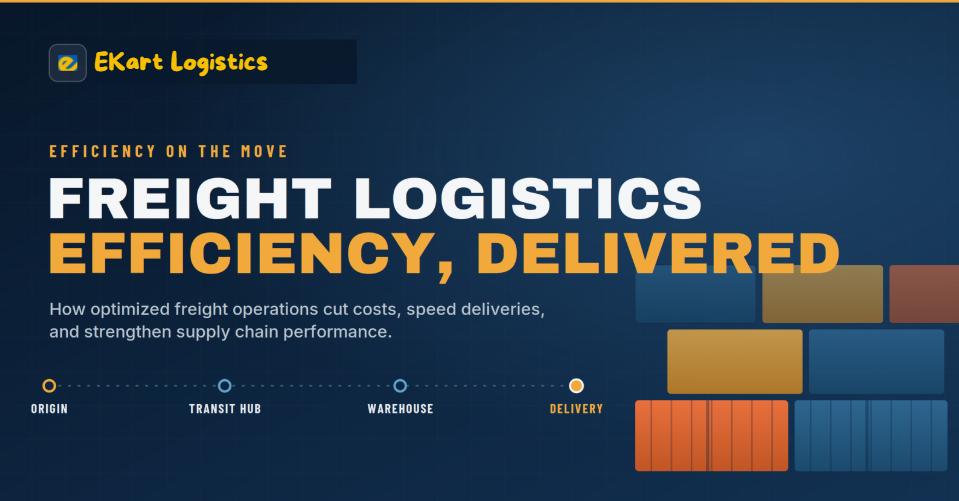
Freight logistics has become one of the most important pillars of modern business operations. Whether a company is delivering products to retailers, transporting raw materials to manufacturing facilities, or fulfilling online customer orders, the movement of goods directly impacts business performance. As markets become more competitive and customer expectations continue to rise, businesses need logistics operations that are reliable, efficient, and flexible enough to meet changing demands.
An effective freight logistics strategy goes beyond simply transporting goods. It involves coordinating transportation, inventory movement, warehousing, shipment planning, and delivery schedules to ensure products reach their destination safely and on time. Well-managed Logistics and Supply Chain operations help businesses reduce operational costs, improve productivity, and deliver a better customer experience. Instead of dealing with shipment delays, inventory shortages, or inefficient transportation routes, organizations can focus on growth while relying on streamlined freight operations to keep their supply chain moving.
Businesses across industries, including manufacturing, retail, healthcare, automotive, and eCommerce, depend on professional freight logistics to maintain consistent product movement. As supply chains become increasingly complex, choosing the right logistics partner has become a strategic business decision that contributes to long-term success.
Why Is Freight Logistics Essential for Modern Businesses?
Freight logistics refers to the planning, coordination, and management of goods throughout the entire transportation process. From the moment products leave a warehouse until they reach their final destination, every stage requires careful planning to ensure efficiency, safety, and timely delivery. Modern freight logistics integrates transportation, warehousing, shipment tracking, inventory coordination, and operational planning into one connected system.
Businesses that invest in organized freight logistics often experience significant improvements in operational performance. Better shipment planning helps minimize unnecessary transportation delays while improving inventory availability across different locations. Businesses can also respond more quickly to customer orders because products are positioned and transported more efficiently throughout the supply chain.
Cost management is another major advantage. Transportation expenses account for a significant portion of business operating costs, making efficient logistics planning essential for maintaining profitability. Smarter transportation scheduling, optimized delivery routes, and improved vehicle utilization allow businesses to lower shipping expenses without sacrificing service quality.
Freight logistics also improves business resilience during seasonal demand fluctuations or periods of rapid growth. Companies with structured logistics operations can handle increased shipment volumes more effectively while maintaining consistent service standards. This flexibility allows organizations to meet customer expectations even during peak business periods.
Rather than treating transportation as a separate business function, successful organizations now view freight logistics as an essential component of overall business strategy.
Which Freight Transportation Solutions Best Support Business Growth?
Every business has different transportation requirements depending on shipment size, product type, destination, and delivery timelines. Choosing the right freight solution allows businesses to improve efficiency while controlling transportation costs.
For businesses transporting large quantities of goods, FTL services provide dedicated transportation capacity for a single shipment. Since the vehicle is reserved for one customer, freight usually reaches its destination faster with fewer handling points, reducing the risk of product damage while improving delivery reliability.
Companies that ship smaller volumes often choose part truck load services because they allow multiple shipments to share transportation space. This approach provides an economical solution for businesses that do not require a full truck while still maintaining dependable delivery schedules. Growing businesses frequently benefit from this flexible transportation option as it balances affordability with operational efficiency.
For urgent commercial deliveries, express cargo transport offers a faster method of moving time-sensitive goods. Businesses transporting medical supplies, critical inventory, or high-value commercial products often rely on expedited freight services to meet strict deadlines and maintain uninterrupted operations.
Many organizations also combine freight transportation with warehousing, inventory coordination, cargo consolidation, and distribution services. This integrated approach simplifies logistics management by reducing the need to coordinate multiple service providers. Instead, businesses benefit from a single logistics partner capable of managing different stages of the supply chain under one operational framework.
Selecting the appropriate transportation solution depends on shipment frequency, delivery urgency, operational budget, and long-term business goals. Businesses that align transportation strategies with operational requirements often experience better supply chain performance and improved customer satisfaction.
How Is Technology Reshaping Freight Logistics Operations?
Technology has transformed freight logistics into a more intelligent, efficient, and transparent business function. Digital tools now allow businesses to monitor shipments, improve transportation planning, manage inventory, and make better operational decisions using real-time information.
Shipment tracking systems provide complete visibility into cargo movement throughout the transportation process. Businesses no longer have to rely on manual updates because digital tracking allows logistics teams and customers to monitor shipment progress from dispatch to delivery. This increased transparency improves communication while helping businesses respond quickly if transportation delays occur.
Advanced route planning technology has also improved transportation efficiency. By analyzing road conditions, traffic patterns, delivery schedules, and fuel consumption, logistics providers can identify the most efficient transportation routes. Better planning reduces transit times, lowers transportation costs, and improves overall delivery performance.
Warehouse technology has significantly improved inventory management by organizing stock movement more accurately and supporting faster order processing. Businesses benefit from better inventory visibility, fewer stock discrepancies, and improved warehouse productivity, all of which contribute to smoother supply chain operations.
Automation has simplified documentation, shipment processing, and operational reporting by reducing paperwork and minimizing manual errors. At the same time, data analytics allows businesses to forecast shipping demand, identify operational trends, and prepare more effectively for future transportation requirements.
As technology continues to evolve, businesses that embrace digital logistics solutions gain greater control over their freight operations while improving efficiency across the entire supply chain.
What Should You Look for in a Freight Logistics Partner?
Choosing the right logistics provider is about much more than comparing transportation costs. A dependable logistics partner becomes an extension of your business by supporting daily operations, protecting product quality, and ensuring shipments arrive on time.
One of the first factors businesses should evaluate is the provider’s ability to offer flexible transportation solutions that can adapt as shipping requirements change. Whether shipment volumes increase during seasonal demand or businesses expand into new markets, logistics providers should have the infrastructure to scale operations without affecting delivery performance.
Experience across different industries is equally important because every business has unique logistics challenges. Companies that understand the specific transportation needs of manufacturing, retail, healthcare, automotive, and eCommerce businesses are often better equipped to provide reliable freight services.
Technology capabilities should also play a significant role when selecting a logistics provider. Shipment tracking, inventory visibility, reporting systems, and digital communication tools help businesses maintain greater control over freight movement while improving operational decision-making.
Customer support remains another important consideration. Transportation challenges can occasionally arise despite careful planning, and responsive logistics teams help businesses resolve issues quickly while minimizing disruptions to the supply chain.
Businesses should also evaluate transportation coverage, operational reliability, cargo handling standards, and overall service quality before establishing a long-term logistics partnership. Working with an experienced provider creates greater confidence in supply chain performance while supporting sustainable business growth.
Freight logistics continues to play an increasingly important role in helping businesses remain competitive in today’s marketplace. Efficient transportation, organized inventory movement, advanced technology, and dependable freight management work together to improve operational efficiency while reducing unnecessary costs. Businesses that invest in professional logistics services build stronger supply chains, improve customer satisfaction, and create a foundation for long-term success. By choosing the right freight partner and implementing effective logistics strategies, organizations can strengthen every stage of their supply chain while preparing for future growth.
Contact Us

.png)




.jpg)
No comments yet. Be the first to comment!
Your email address will not be published. Required fields are marked *